
The Tagus River: Best Places to Experience the Tejo, from Lisbon to Tomar
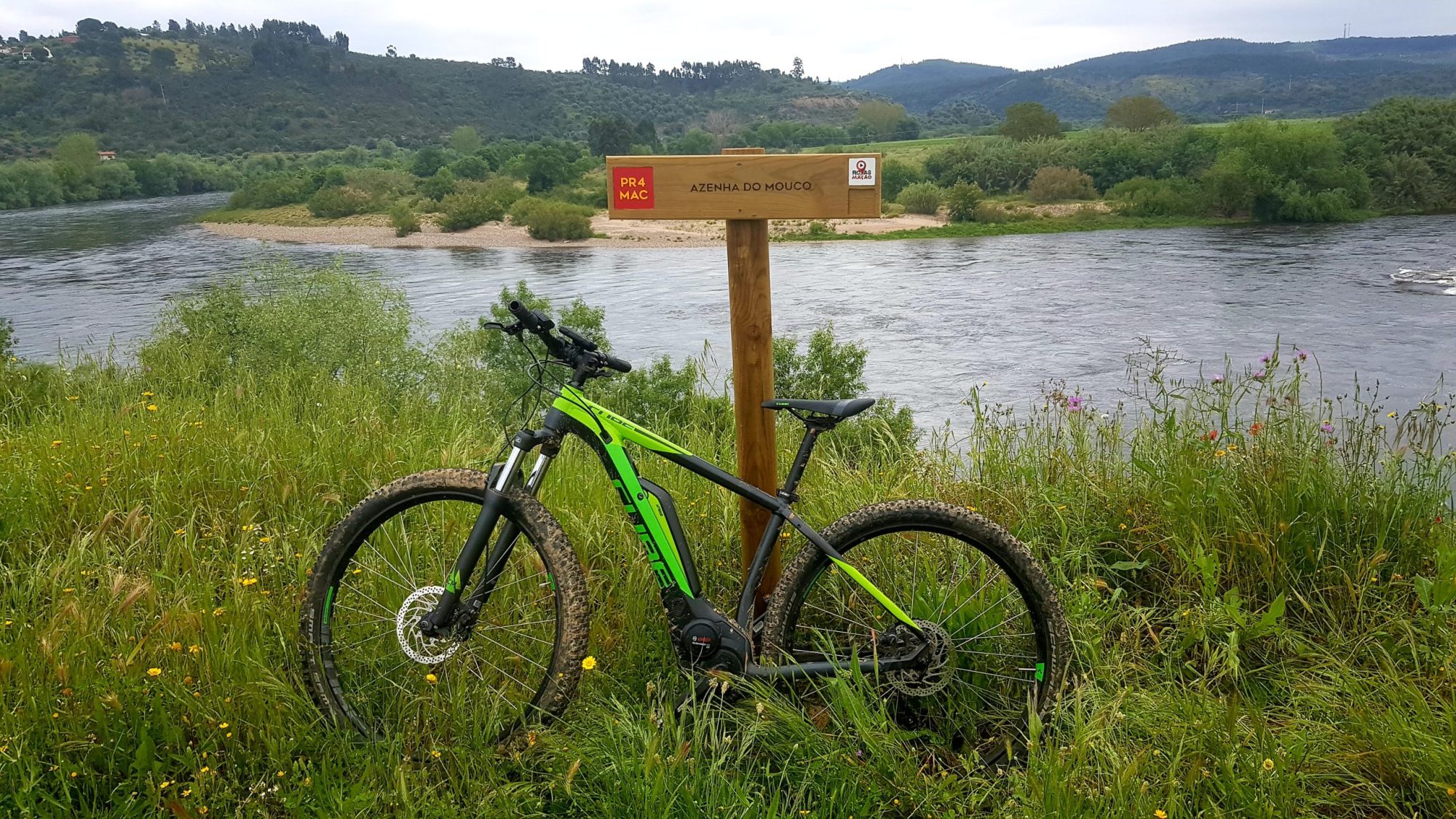
The Tagus (Tejo in Portuguese) is the longest river on the Iberian Peninsula, and Lisbon exists because of it: the estuary is one of the largest natural harbours in Europe, and the city grew on its north bank facing the water. Most visitors see the river only from the Praça do Comércio. It deserves more than that, both in the city and upstream, where it runs past Templar castles and river beaches that few foreign visitors know. This is our guide to the places where the Tagus is the point of the visit, from the mouth to the middle of Portugal.
In Lisbon
Cais das Colunas and the Ribeira das Naus
The two marble columns stepping into the water at the Praça do Comércio were the ceremonial landing stage of the city, where kings and ambassadors arrived by boat. The promenade west of the square, the Ribeira das Naus, was built over the old royal shipyards and is where locals sit on the steps at sunset with the river at their feet.
The Cacilhas ferry and Cristo Rei
The cheapest boat trip in Lisbon: the ten-minute commuter ferry from Cais do Sodré to Cacilhas on the south bank, with the whole city front in view. From Cacilhas a bus or taxi climbs to Cristo Rei, the statue whose platform gives you the best view there is of Lisbon, the bridge and the estuary. Cacilhas’ waterfront restaurants are the place for grilled fish afterwards.
Belém and the Tower
Belém is where the caravels left for India and Brazil, and its monuments face the river for that reason: the Belém Tower, built in the water in 1519 to guard the entrance to the harbour, the Monument to the Discoveries, and the Jerónimos Monastery a few hundred metres inland. A walk along the riverside from the Monument to the Tower at the end of the afternoon, with the bridge behind you, is one of Lisbon’s best half-hours.
Parque das Nações
At the other end of the city, the site of Expo 98 is the modern riverfront: the Oceanarium, the Vasco da Gama bridge stretching 17 km across the estuary, and a cable car along the water. It shows how wide the Tagus becomes here, more a sea than a river, with the salt marshes of the estuary nature reserve on the far bank, where flamingos winter.
Upstream: the Tagus of the Templars
An hour and a half north of Lisbon the river narrows and the landscape changes to olive groves, hills and castles. This stretch is the heart of our Templars Tour from Lisbon, and the river is what ties it together.
Almourol Castle
The most photogenic castle in Portugal, on a rocky island in the middle of the Tagus. Built by the Knights Templar in 1171 on the site of a Roman fort, it guarded the river crossing on the frontier with the Moors. A small boat takes you across from the bank; the whole visit, including the crossing, takes about an hour.
Constância
A white village at the junction of the Tagus and the Zêzere, with a riverside terrace where the poet Camões is said to have lived in exile. It is the natural place for lunch on the river, and the reason our Templars tour stops here for a riverside meal.
Tomar and the Convent of Christ
A few kilometres from the river, Tomar was the headquarters of the Templars in Portugal and then of the Order of Christ that succeeded them and financed the voyages of discovery. The Convent of Christ, a UNESCO site, has the 12th-century round Charola church and the Manueline window that is the most famous piece of carved stone in the country.
Dornes
Further up, on a reservoir formed by the Zêzere, Dornes is a tiny village on a peninsula with a pentagonal Templar tower and water on three sides. It is the last stop on the Templars day and the quietest place on this list.
River beaches
In summer the Tagus and its tributaries have praias fluviais, river beaches with sand, lifeguards and cafés, at Constância, at Aldeia do Mato on the Castelo do Bode reservoir and at several villages around Tomar. The water is calm and warm, a different experience from the Atlantic, and locals prefer them in the July and August heat. Ask us to build one into a custom tour if you are travelling with children.
When to go
The Lisbon riverfront works in any month. Upstream, spring and autumn are best: the olive groves are green, the light is soft, and the inland heat of July and August, which regularly reaches 40 °C, is avoided. In winter the river is high and Almourol at its most dramatic. Whatever the season, the combination of the castle on its island, lunch by the water in Constância and the convent in Tomar is one of the finest days out from Lisbon, and one that almost no one else on the road is doing.